
TL;DR:
- Strong bookkeeping is essential for financial clarity and effective decision-making in Finnish SMEs.
- Efficient invoicing and timely payments significantly improve cash flow and operational stability.
- Regular budget reviews, competitor analysis, and utilizing subsidies help prevent financial difficulties.
Managing your finances effectively is one of the biggest challenges facing small and medium-sized businesses in Finland. Many SME owners find themselves losing ground not because of poor products or weak customer relationships, but because their financial management lacks structure. Missed invoices, unclear budgets, and inconsistent bookkeeping quietly erode profitability. This guide covers the most practical financial management tips to help you sharpen your numbers, reduce administrative friction, and make smarter business decisions. We will walk through bookkeeping, invoicing, budgeting, and business development so that you leave with a clear, actionable plan.
Table of Contents
- Master bookkeeping as the foundation
- Streamline invoicing for faster payments
- Use budgeting tools for smart planning
- Develop your business to prevent financial difficulties
- Our take: Don't neglect actionable consistency
- Connect with expert financial services
- Frequently asked questions
Key Takeaways
| Point | Details |
|---|---|
| Bookkeeping drives clarity | Accurate bookkeeping helps you make better financial decisions and spot problems early. |
| Fast invoicing equals cash flow | Efficient billing and prompt invoicing ensure timely payments and healthier cash flow. |
| Smart budgeting improves profits | Using digital budgeting tools lets you track progress, plan for scenarios, and maximise profitability. |
| Business development prevents troubles | Strategic planning and competitor analysis help avoid financial difficulties and accelerate growth. |
| Consistency tops tools | Regular review and discipline in financial routines yield better results than any software solution. |
Master bookkeeping as the foundation
Accurate bookkeeping is not just a legal requirement in Finland. It is your clearest window into how your business is actually performing. Without it, you are making decisions based on guesswork rather than evidence. Bookkeeping is the cornerstone for financial clarity, efficient billing, and better decision-making, so getting it right from the start matters enormously.
Two documents sit at the heart of every bookkeeping system. Your income statement (also called a profit and loss statement) shows revenue and expenses over a period, revealing whether you are making or losing money. Your balance sheet gives a snapshot of what you own (assets), what you owe (liabilities), and what is left over (equity) at a specific point in time. Understanding both documents regularly, not just at year-end, allows you to spot problems before they become serious.
Modern bookkeeping tools have reduced the manual effort significantly. Cloud-based accounting software such as Procountor, Netvisor, or Visma connects directly to your bank account, categorises transactions, and generates reports in real time. This matters because errors and omissions in manual record-keeping are among the most common reasons Finnish SMEs face tax penalties or cash flow surprises. Following bookkeeping best practices from the outset will save you time, money, and considerable stress later.
Common bookkeeping mistakes to avoid include:
- Recording transactions in the wrong accounting period
- Mixing personal and business expenses in the same account
- Failing to reconcile your bank account monthly
- Ignoring VAT (value-added tax) deadlines, which can trigger fines
- Losing receipts for business expenses, reducing your eligible deductions
If you are just starting out or reviewing your current setup, our overview of bookkeeping basics 2026 explains what Finnish SMEs need to track and when. For more advanced improvements, exploring ways to optimise your bookkeeping workflow can reduce the time you spend on administration by a meaningful margin.
Pro Tip: Automate recurring bookkeeping tasks such as bank feeds, invoice matching, and VAT calculations. Setting these up once means your records stay current with minimal manual effort each week.
Streamline invoicing for faster payments
Your bookkeeping foundation sets the stage, but your invoicing process is where cash flow either flows or stalls. Efficient billing processes are critical for timely payments and operational streamlining, and small improvements here can have an immediate impact on your bank balance.
Choosing the right invoicing platform matters more than many owners realise. The right tool should create professional invoices quickly, send them automatically, and track outstanding payments without requiring constant manual checking. Depending on your business size and invoice volume, you may need a light, monthly, or professional tier of service. Our light invoicing service suits businesses with lower volumes, while our monthly invoicing solutions and professional invoicing tools cater to growing operations with more complex needs.
Follow these steps to build an invoicing process that consistently brings in payments on time:
- Invoice immediately after delivery. Delays between completing work and sending an invoice extend your payment cycle unnecessarily.
- Use clear invoice layouts. Include your business ID, the service description, the agreed price, VAT breakdown, payment terms, and bank details.
- Set short, specific payment terms. Fourteen days is standard for many Finnish SMEs. Avoid vague terms like "payment upon receipt."
- Send a polite reminder at day 7. A brief message before the due date reduces late payments significantly without straining the client relationship.
- Follow up firmly at day 15. If payment has not arrived, escalate to a formal reminder with reference to any late payment interest you are entitled to under Finnish law.
- Automate the reminders. Most invoicing platforms can send scheduled follow-ups so that you do not need to track each invoice manually.
Pro Tip: Schedule automatic payment reminders within your invoicing software. Set the first reminder for three days before the due date and a second at seven days overdue. This single habit can cut your average debtor days noticeably.
Use budgeting tools for smart planning
With a clean invoicing process in place, the next priority is looking ahead. A budget is not just a spreadsheet exercise. It is a decision-making tool that tells you whether a planned hire, new piece of equipment, or marketing spend is financially viable before you commit to it. Budgeting and pricing tools help SMEs track budgets, forecast outcomes, and calculate pricing based on profit targets and costs.
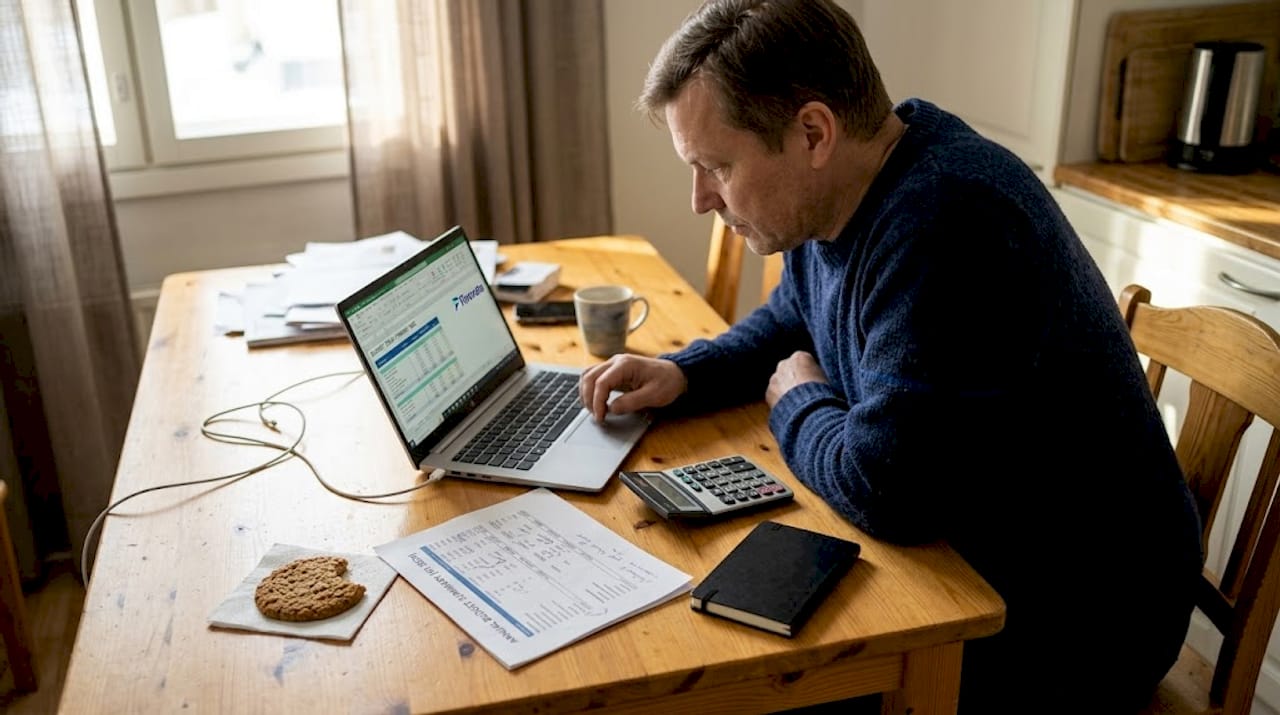
For most Finnish SMEs, a practical budgeting approach combines an annual budget with monthly reviews. The annual budget sets your revenue targets, projected expenses, and profitability goals for the year. Monthly reviews compare actual results to those targets, allowing you to adjust quickly rather than discovering problems at year-end. Excel remains a reliable starting point for straightforward budgets, and many online accounting platforms include built-in budgeting modules that link directly to your live figures.
Scenario planning is one of the most underused budgeting techniques among small businesses. It means building at least three versions of your budget: a conservative scenario (lower sales, higher costs), a realistic scenario (your best estimate), and an optimistic scenario (stronger growth). When circumstances change, which they will, you already know what decisions to make.
Below is a sample pricing calculation framework for common SME service types:
| Service type | Hourly cost base | Target margin | Recommended price |
|---|---|---|---|
| Consulting | €60 | 40% | €100 |
| Creative services | €45 | 50% | €90 |
| Technical maintenance | €55 | 35% | €83 |
| Training and coaching | €50 | 60% | €125 |
Key budgeting practices worth embedding into your routine:
- Review actuals versus budget at the end of every month
- Adjust pricing annually based on cost changes and market rates
- Separate fixed costs (rent, salaries) from variable costs (materials, commissions) in your model
- Use our pricing tools overview to stress-test your numbers before committing to new work
For a broader view of how financial planning connects to operational decisions, our guide on accounting services for SMEs is a useful reference.
Develop your business to prevent financial difficulties
Budgeting prepares you for the numbers. Business development prepares you for the future. Regular comparison with competitors, budgeting, and utilising subsidies help prevent financial difficulties, and these three actions together create a resilient business that is harder to knock off course.
Competitor analysis does not need to be complex. Review your main competitors' pricing, service offerings, and customer reviews at least twice a year. Identify where you are stronger and where gaps exist. This exercise often reveals pricing opportunities you have been leaving on the table or service areas where you are losing customers without realising it.
Your business plan should be a living document, not a file that last opened three years ago. Update it annually at minimum. Revise your customer acquisition strategy, sales forecasts, and cost assumptions based on real data from the previous year. A current business plan also strengthens your position when applying for financing or subsidies.
Here is a summary of subsidy types relevant to Finnish SMEs and their typical impact:
| Subsidy type | Provider | Typical impact |
|---|---|---|
| Business development grant | Business Finland | Funds R&D and internationalisation projects |
| Employment subsidy | TE Services | Reduces wage costs for new hires |
| Investment aid | ELY Centre | Supports equipment or premises investment |
| Startup grant | Kela / TE Services | Income support for new entrepreneurs |
Steps to strengthen business development systematically:
- Set quarterly sales targets and track conversion rates from enquiry to sale.
- Conduct a competitor review every six months and document your findings.
- Identify and apply for one relevant subsidy each year using the Business Finland or ELY Centre portals.
- Meet with an external adviser annually to challenge your assumptions and surface blind spots.
Working with expert accounting services ensures that your financial data supports these development decisions rather than lagging behind them.
Our take: Don't neglect actionable consistency
We have worked with many Finnish SME owners who invest time and money into the right tools, set up proper invoicing systems, and write solid budgets, only to let the routines slip within two months. The tools are not the problem. Consistency is.
The businesses that genuinely improve their financial position year on year are not necessarily the ones with the most sophisticated software. They are the ones that review their figures every single week, even briefly. A 20-minute Friday review of your invoices, bank balance, and budget versus actual tells you more than a quarterly deep-dive done under pressure.
Building consistent bookkeeping workflows is, in our experience, the single biggest differentiator between SMEs that grow steadily and those that lurch from cash flow crisis to cash flow crisis. The tips in this guide are practical and proven. The question is whether you will apply them with discipline every week, not just in January.
Set a recurring calendar reminder now. Call it your "weekly financial check." Make it non-negotiable.
Connect with expert financial services
The tips in this guide give you a clear framework for improving your financial management. But knowing what to do and having the time and expertise to do it consistently are two different things.
At Finovate, we support Finnish SME owners with practical, hands-on financial management services including bookkeeping, tax preparation, payroll, and invoicing. Whether you are just starting out or looking to strengthen an established business, explore our professional accounting services to find the right fit. From light-touch support to fully managed solutions, our pro invoicing services help you get paid faster and stay organised. Reach out today and let us handle the numbers so you can focus on growing your business.
Frequently asked questions
What are the most common financial mistakes Finnish SMEs make?
The most frequent mistakes include poor bookkeeping, delayed invoicing, and lack of scenario-based budgeting. Addressing all three together creates the strongest foundation for financial clarity and consistent cash flow, supported by solid planning tools.
How can I quickly improve my SME's cash flow?
Optimising invoicing for timely payments and conducting regular budget reviews are the fastest ways to boost cash flow. Acting on billing efficiency guidelines immediately reduces the time between completing work and receiving payment.
Are there tools for budgeting specifically designed for Finnish SMEs?
Yes, options such as Excel and online accounting platforms offer budgeting modules tailored to Finnish business requirements. The Small Business Financial Planning resource from Ornamo is a practical starting point for understanding your options.
What is the best way to develop my business and avoid financial difficulties?
Regular competitor analysis, updating your business plan annually, and utilising government subsidies are key strategies. Following business development essentials from Suomi.fi provides a reliable framework for keeping your finances stable as your business grows.